« Isolation de la toiture et des combles. Différence ressentie dès l'hiver suivant. Petit retard de planning, mais résultat à la hauteur. »
Thomas R.Mons
Sarking lays the insulant in rigid panels over the rafters, beneath a new covering. Thermal continuity is total, thermal bridges all but removed, and the interior keeps its full volume — exposed frame included. The reference solution when the roof needs redoing anyway.
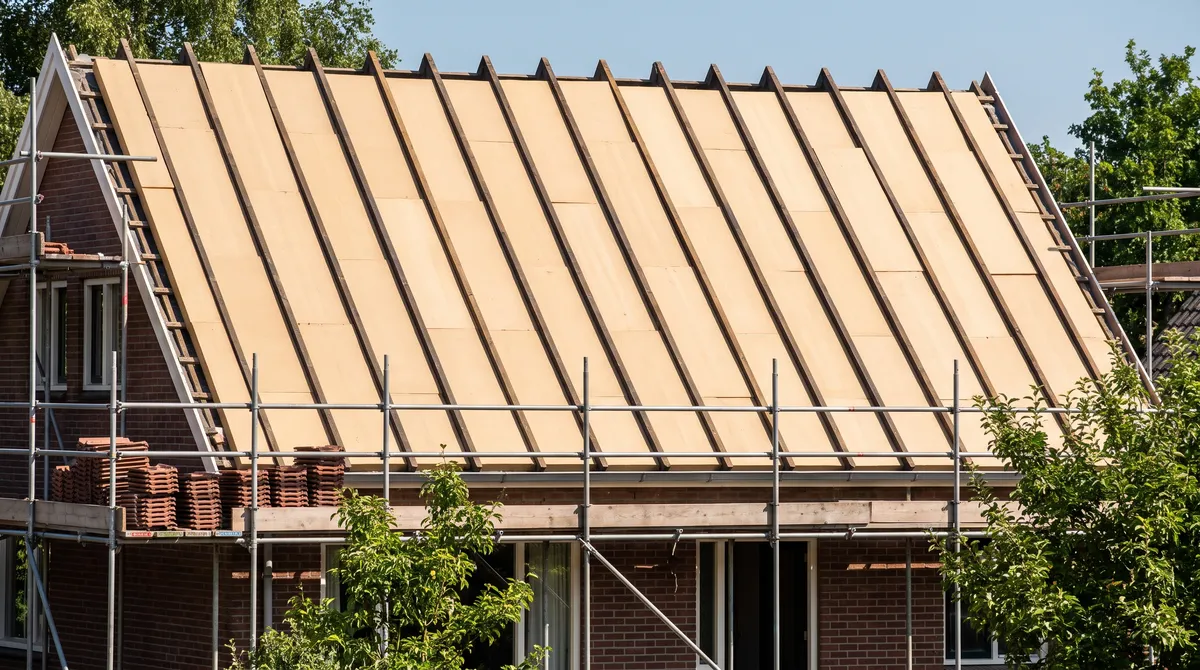
The benchmarks that matter for roof insulation from the outside, fitted by our teams. Concrete figures, not marketing.
Continuous insulant laid over the decking reaches high thermal resistances without the interruptions of the frame. We target at least R 6 m²K/W, the threshold required by roof grants in Wallonia and Brussels.
By passing the insulant over the rafters, you remove the heat leaks left by between-rafter insulation. The layer is continuous from one eave to the other: that’s sarking’s key strength.
Nothing encroaches on the loft: no thickness is added under the slope. Better still, the frame can stay exposed on the inside, for the character of a visible timber roof.
Wood-fibre panels in sarking strongly slow the entry of summer heat: the roof heats up slowly and releases the heat at night. The loft stays liveable in the height of a heatwave.
Rigid PUR/PIR panels for the best thickness-to-performance ratio, or wood fibre for summer comfort and eco-balance. The choice is made by the available thickness and the orientation.
The vapour barrier and under-roof membrane are laid continuously across the whole slope, with no penetrations through the frame. The roof becomes insulated and airtight in one piece.
* Indicative values depending on the insulant and thickness chosen. The exact thermal resistance and compliance with the grant threshold are confirmed at the survey, against the plans.
No technique is ideal for every job. Here, honestly, is where sarking excels and where another solution will be more suitable.
It’s the choice whenever you’re touching the covering or seeking maximum performance without eating into the loft. A few cases where it shines:
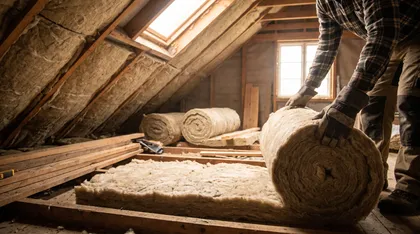
Tiles at the end of their life, no under-roof: since the covering is being removed, sarking insulates from the outside for the cost of simply adding insulant.
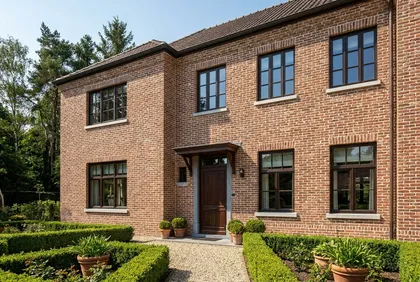
You want to keep all the volume and the exposed frame of an already-lived-in loft: sarking insulates without removing anything inside.

Lofts overheating in summer: a wood-fibre sarking offers a long thermal lag and keeps the rooms under the roof cool in a heatwave.
If your tiles still hold, under-rafter insulation from the inside comes out far cheaper. And for an unconverted attic, unused-loft insulation remains the most economical solution.
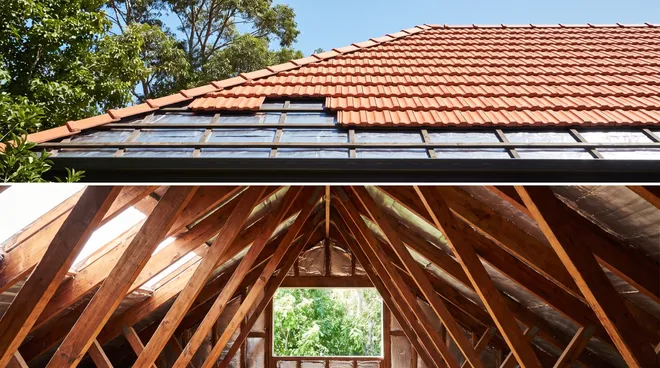
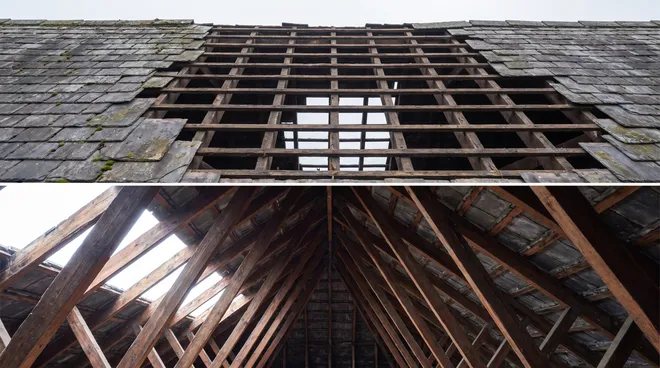
The owners had to replace an end-of-life covering above a converted loft with an exposed frame. Rather than insulating from the inside and hiding the timber, we laid a 200 mm wood-fibre sarking over the rafters, with a continuous under-roof membrane and a new covering. Volume and character kept, thermal bridges removed.
4.5/5 · 2verified reviews
« Isolation de la toiture et des combles. Différence ressentie dès l'hiver suivant. Petit retard de planning, mais résultat à la hauteur. »
« Insufflation des murs creux, rapide et sans dégât. La prime régionale a couvert une bonne part. Maison nettement moins froide. »
Sarking wins on performance, volume and character, but means redoing the covering. Compare it with under-rafter insulation, then open the roof range you’re interested in.
| Critère | SarkingVous êtes ici | Under-rafter insulationVoir la gamme → | Roof insulation (range)Voir la gamme → |
|---|---|---|---|
| Indicative price | €€€€ — the highest | The gentlest | Depends on the technique |
| Thermal bridges | All but removed | Reduced, frame visible | Variable by method |
| Liveable volume | Intact | Reduced (thickness under the slope) | Depends on method |
| Summer comfort | Excellent (thermal lag) | Good | Variable |
| When to adopt it | Covering due for renewal | Tiles still sound | Any roof project |
| Exposed frame | Kept | Hidden by the insulant | Depends on technique |
| Best for | Heavy renovation, performance | Defined budget, sound roof | Choosing your method |
The overview of roof insulation techniques: from the outside, from the inside, unused lofts, grants and costs.
See the whole roof range →Insulating the slope from the inside: far cheaper when the covering is still sound, but reduces the volume.
Compare with the rafters →For an unconverted attic, insulating the unused-loft floor remains the most economical solution per m².
Discover the loft →The most-used rigid insulant in sarking: maximum performance for a reduced thickness. Understand its values.
Choose your insulant →Complement the roof with exterior wall insulation: the same logic of thermal continuity, without eating into the interior.
See facade insulation →An overview of our insulation solutions in Belgium: roof, walls, floors, materials and grants on one page.
Back to the insulation guide →The price depends on the area, the insulant chosen, the targeted thickness and reworking the junctions and eaves. Sarking is often costed together with the new covering. Here are some benchmarks for fitted sarking.
See the detailed sarking price grid →* Indicative ranges per m² of roof, excluding the covering and specific configurations. A costed estimate is provided with your free quote.
It’s the insulation of a pitched roof from the outside: you remove the covering, then lay rigid insulating panels continuously over the rafters, beneath an under-roof membrane and a new covering. The insulant no longer passes between the roof timbers but above them, which all but removes the thermal bridges.
Above all when the covering needs redoing anyway. Since the tiles have to come off, adding sarking then represents only the extra cost of the insulant. It’s also the choice when you want to keep all the loft volume or leave the frame exposed on the inside.
No, that’s the whole point: the insulant is laid outside, so nothing encroaches on the loft. The headroom and liveable volume stay intact. It’s the roof, on the other hand, that is slightly raised by the insulant thickness.
PUR/PIR panels offer the best performance for a reduced thickness, useful when limiting how much the roof is raised. Wood fibre insulates a little less per centimetre but offers far better summer comfort (long thermal lag) and a better eco-balance. We choose by the available thickness and the orientation.
We target at least a thermal resistance R of 6 m²K/W, the threshold required by roof grants in Wallonia and Brussels, i.e. around 12 to 16 cm in PUR/PIR or 20 cm and more in wood fibre. We size it precisely at the survey, based on your roof.
Roof insulation qualifies, depending on your region and income, for a grant calculated per m² insulated once the minimum thermal resistance is reached, as well as 6% VAT for homes over ten years old. We handle the grant application for you.
Free home survey, grants calculated, a single point of contact. Describe your roof project in under a minute.