« Devis clair, sans surprise, primes comprises. Un seul interlocuteur du début à la fin. Je recommande sans hésiter pour le photovoltaïque. »
Pierre M.Tournai
During a grid outage, a conventional battery goes into safe mode and shuts down. With the backup function (EPS), the hybrid inverter switches to the battery in a fraction of a second: your priority circuits (fridge, lighting, internet, medical) stay powered for the duration of the outage.
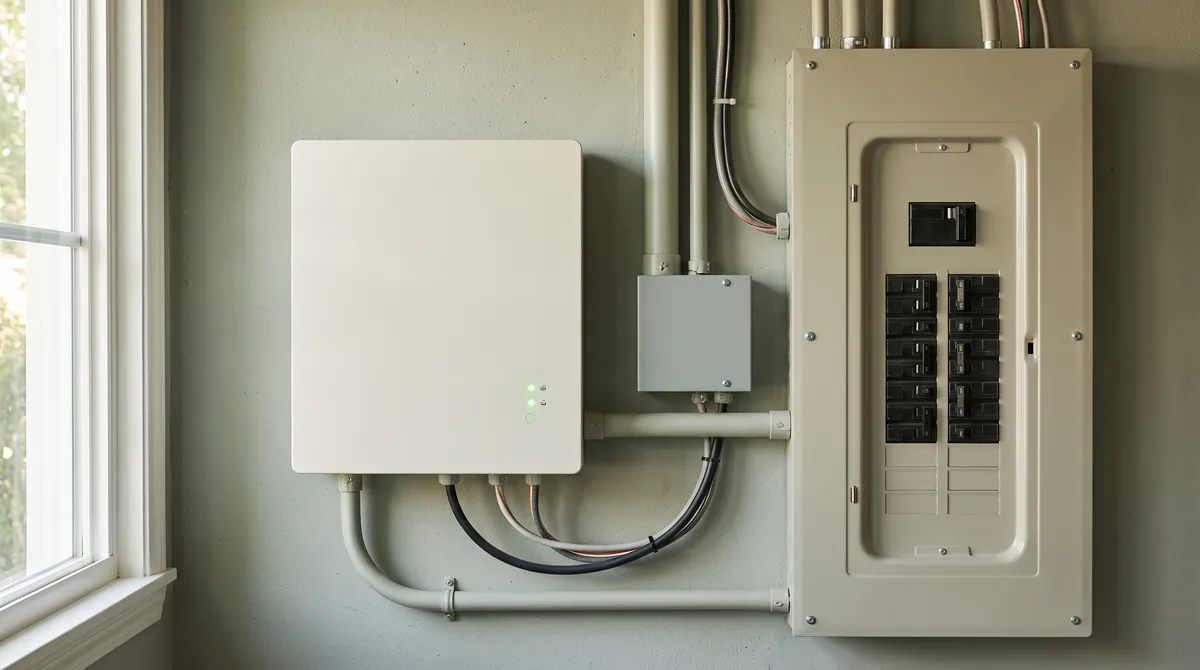
Backup requires a hybrid inverter with EPS and a compatible battery. Here’s what happens during an outage.
The inverter detects the grid outage and switches to the battery in under 20 milliseconds. Almost imperceptible: appliances don’t restart.
We define the circuits powered in backup: fridge, freezer, lighting, internet, medical device. Not the whole house — to save the battery.
With 10 kWh and limited circuits (500 W average), backup lasts ~20h. The lower the consumption, the longer the battery lasts.
During the day, the panels keep charging the battery even during a grid outage. Backup can last indefinitely if solar production covers consumption.
Not all hybrid inverters do backup. You need the EPS (Emergency Power Supply) function. Check compatibility before buying.
The backup circuits are grouped on a dedicated sub-panel, powered by the inverter during an outage. The electrical installation is adapted during the work.
* Real autonomy depends on the battery capacity and the consumption of the selected circuits.
Backup is added peace of mind, not always essential.
Backup pays off in certain specific situations:
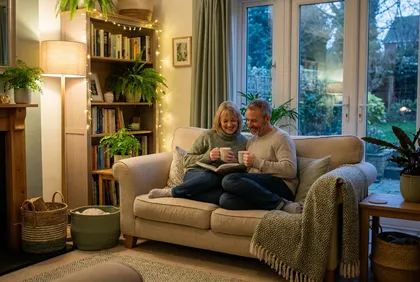
Oxygen concentrator, dialysis machine, insulin fridge: backup keeps these vital devices running without interruption.
A full freezer loses its contents in 12–24h without power. Backup prevents the loss.
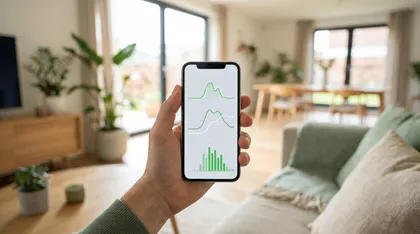
During an outage, no internet means no work. Backup keeps the router and your office lighting running.
Partial backup (selected circuits) is the most common and the most economical. Full backup (the whole house) requires a very large battery and a powerful inverter — rarely justified in residential settings. Start with a good home battery.
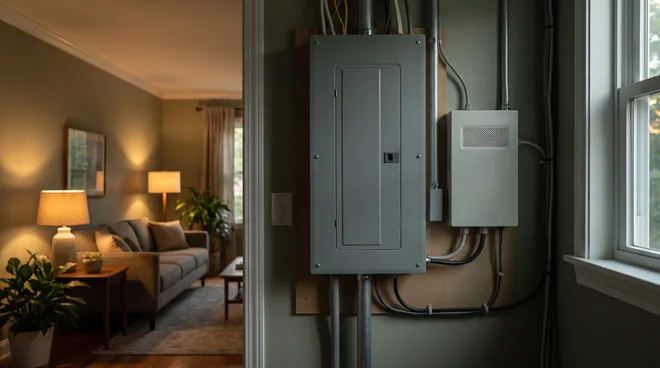
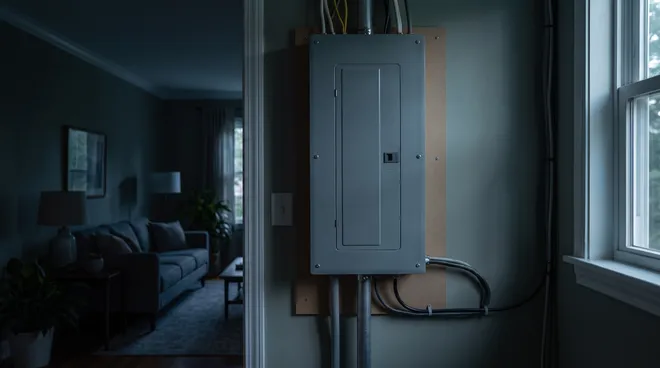
A home in a rural area where outages are frequent (storms, tree-cutting). The customer asked for backup on the fridge, freezer, lighting and internet. With 10 kWh and an EPS hybrid inverter, the circuits last ~18h during an outage — and recharge in the sun during the day.
5.0/5 · 1verified reviews
« Devis clair, sans surprise, primes comprises. Un seul interlocuteur du début à la fin. Je recommande sans hésiter pour le photovoltaïque. »
The level of backup depends on your needs and your budget.
| Critère | Partial backupVous êtes ici | Full backupVoir la gamme → | No backupVoir la gamme → |
|---|---|---|---|
| Protected circuits | Selected (3–5) | The whole house | None |
| Autonomy | 12–20h (10 kWh) | 3–5h (10 kWh) | 0 |
| Investment | Moderate | High (large battery) | The lowest |
| Battery required | 5–10 kWh | 15–20+ kWh | Any size |
| Inverter | Hybrid EPS | High-power hybrid EPS | Hybrid or standard |
| Peace of mind | Essential circuits | Total comfort | Outage = blackout |
| Ideal for | Residential, comfort | Medical dependence, remote area | Budget, reliable grid |
The battery is the basis of backup. Choose the right capacity for your needs.
See the batteries →The safest chemistry for backup: thermally stable, reliable in an emergency.
All about LiFePO4 →Backup requires a hybrid inverter with EPS. Not all of them do it.
See the inverters →Storage without backup: evening self-consumption, but shuts down during an outage.
See standard storage →The panels recharge the battery even during an outage. Size it for backup.
See the kits →An overview of our solar panels across Belgium.
Back to the solar guide →The extra cost of backup comes from the EPS hybrid inverter and the dedicated sub-panel.
See storage prices & returns →* Indicative ranges for installed equipment. The exact cost depends on the capacity and the number of backup circuits.
Generally no. We select the essential circuits (fridge, lighting, internet) to maximise autonomy. Powering the whole house would drain the battery in a few hours.
Almost. The EPS switchover takes under 20 milliseconds. Appliances don’t restart and screens don’t flicker. Only very sensitive devices (some servers) might need a dedicated UPS.
It depends on the inverter. If your hybrid inverter supports EPS, you just wire a backup sub-panel. Otherwise, the inverter has to be replaced with an EPS model.
It depends on the battery capacity and the consumption of the circuits. With 10 kWh and circuits limited to ~500 W, backup lasts about 20h. During the day, the panels recharge the battery.
Yes, as long as the battery has charge. At night, without panels, the battery doesn’t recharge — autonomy depends on the remaining capacity. That’s why we select low-consumption circuits.
No. The Belgian grid is reliable and outages are rare and short. Backup is added comfort, particularly useful in rural areas, in cases of medical dependence or to protect a food stock.
Free study of your needs, precise sizing, verified compatibility. Describe your project in under a minute.