Aller au contenu
The energy one stop shop — active across Belgium
Heat pump · Hot water

Thermodynamic water heater: hot water at a fraction of the cost, no boiler needed

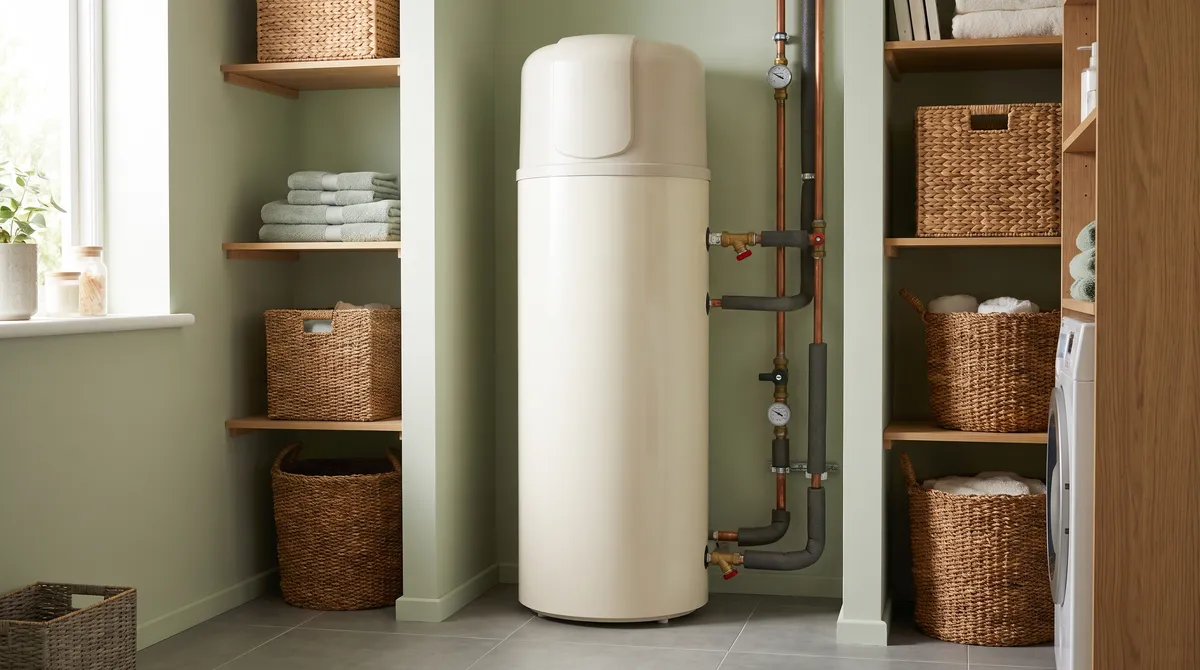
A thermodynamic water heater is a mini heat pump dedicated to domestic hot water. It draws warmth from the surrounding air (garage, utility room, cellar) to heat a 200 to 300-litre tank — using three times less electricity than a conventional electric boiler. Ideal as a replacement or alongside an air-to-air heat pump.

COP 2.5–3.5
efficiency
200–300 L
integrated tank
÷3
vs electric boiler
Thermodynamic water heater: hot water at a fraction of the cost, no boiler needed
COP 2.5–3.5hot water efficiency
÷3electricity use
Technical specifications

What a thermodynamic water heater is really worth

The figures that matter when choosing between a conventional boiler and a thermodynamic one.

  • COP
    2.5–3.5

    For every 1 kWh of electricity, the thermodynamic water heater delivers 2.5 to 3.5 kWh of heat. A conventional electric boiler: 1 for 1.

  • Tank
    200–300 L

    200 L for 2–3 people, 300 L for 4 or more. Water is heated to 55–60 °C and stored. The built-in heat pump reheats it gradually.

  • Source
    Ambient air

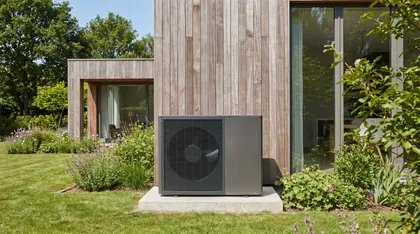
    The water heater draws warmth from the air in the room where it sits. Some models pull in outdoor air through a duct.

  • Ambient temperature
    5 to 35 °C

    The unit operates when the surrounding air is between 5 and 35 °C. An unheated garage in Belgium suits it for most of the year.

  • Noise level
    40–50 dB

    Noisier than a conventional boiler (fan + compressor). Best installed in a technical room, not a living space.

  • Electric backup
    Built-in

    A backup electric element takes over if the ambient air is too cold or demand is exceptionally high.

* Indicative values. The COP depends on the ambient air temperature and the tank temperature setting.

Full transparency

Pros & cons of going thermodynamic

A thermodynamic water heater is a clear upgrade over an electric boiler, but it comes with constraints.

Where it shines

  • ÷3 on hot waterCuts the electricity used for hot water by three compared with a conventional boiler.
  • Independent of your heatingIt doesn’t rely on the boiler. Perfect alongside an air-to-air heat pump, which doesn’t produce hot water.
  • Ideal solar pairingRun during solar production hours, your hot water becomes virtually free.
  • Simple installationA plumbing and electrical connection. No heating circuit to rework.

What you should know

  • Cools the roomThe unit extracts warmth from the air: the room where it sits cools slightly.
  • Needs a technical roomThe noise (40–50 dB) means installing it in a garage, utility room or cellar — never a living space.
  • Slower heating timeThe heat pump warms water more slowly than an electric element. The tank makes up for it through storage.
  • Less efficient in a cold roomIf the ambient air drops below 5 °C, the electric backup takes over — and the COP disappears.
Right for whom

Is a thermodynamic water heater right for you?

It excels in a few specific setups:

  • Replacing an electric boiler

    Replacing an electric boiler

    The most cost-effective case: moving from a 1-for-1 boiler to a COP of 3. Your hot water bill drops immediately.

  • Alongside an air-to-air heat pump

    Alongside an air-to-air heat pump

    An air-to-air heat pump doesn’t produce hot water. The thermodynamic unit completes the setup: air-to-air heating + thermodynamic hot water.

  • Pairing with solar panels

    Pairing with solar panels

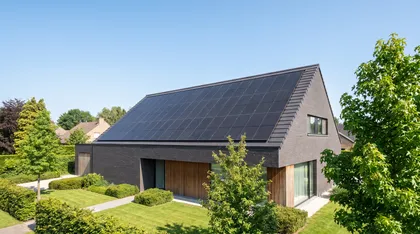
    Run during solar production hours, the thermodynamic heater warms water with your surplus: virtually free hot water.

Thermodynamic or air-to-water heat pump?

If you need both heating AND hot water, an air-to-water heat pump does both in a single system. A thermodynamic heater only makes sense for hot water alone.

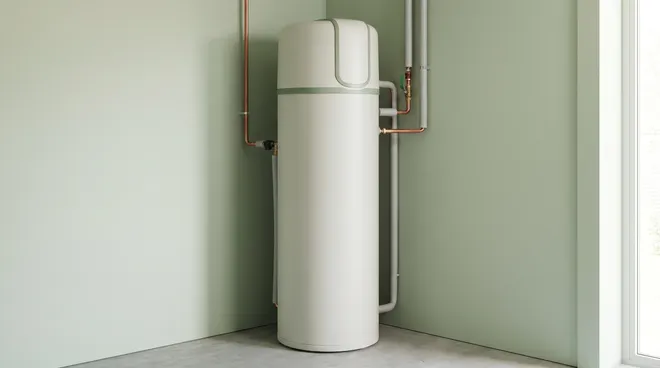
AFTER photo — 200 L thermodynamic water heater
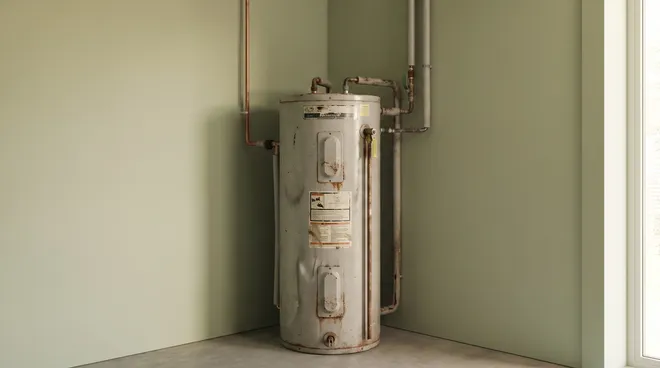
BEFORE photo — old 150 L electric boiler
Avant Après
Glissez la poignée pour comparer
Real case · renovated apartment, Namur

An electric boiler swapped for a thermodynamic one, bill slashed

A 150 L electric boiler that used 2,200 kWh/year for hot water. Replaced by a 200 L thermodynamic unit installed in the utility room: the electricity used for hot water fell to 700 kWh/year. An immediate saving of around €350/year.

  • ÷3in electricity use
  • ~€350saved per year
  • 200 Lfor the whole family
Customer reviews

They chose wendows

5.0/5 · 3verified reviews

« Châssis, panneaux et pompe à chaleur en une seule fois : on a eu un seul devis, un seul planning et zéro paperasse pour les primes. Le résultat est impeccable et notre facture d'énergie a chuté. On ne pensait pas que ce serait aussi simple. »
Famille DuboisWavre · Brabant wallon
« Passage du mazout à une pompe à chaleur air-eau. Chantier propre, anciens radiateurs conservés. La maison est mieux chauffée pour bien moins cher. »
Ahmed B.Charleroi
« PAC air-air réversible installée avant l'été. Confort été comme hiver, et le SAV répond vite. Très satisfait du suivi. »
Nathalie F.Verviers
Compare hot water solutions

Thermodynamic, electric boiler or air-to-water heat pump?

Three ways to produce hot water. Here’s how they stack up.

Critère ThermodynamicVous êtes ici Electric boilerVoir la gamme → Air-to-water + tankVoir la gamme →
COP 2.5–3.5 1 (element) 3.5–4.8
Also does the heating No No Yes
Price €2,000–4,000 €500–1,500 €9,000–16,000
Installation Simple Very simple Hydraulic circuit
Noise 40–50 dB Silent Outdoor unit
Solar pairing Excellent Possible Excellent
Ideal for Hot water only, boiler replacement Tight budget Full heating + hot water
Indicative figures. The thermodynamic unit is the best choice for hot water alone.
Indicative 2026 prices

How much does a thermodynamic water heater cost?

The price depends on the tank capacity and the brand. Here are some benchmarks for installed equipment.

See full heat pump prices & grants →

* Indicative ranges for installed equipment. Your actual saving depends on your hot water consumption.

  • 200 L thermodynamic heater
    €2,000–3,000
    installed and connected
  • 300 L thermodynamic heater
    €2,500–4,000
    installed and connected
  • Regional grant
    by region
    Wallonia or Brussels
  • Reduced VAT
    6%
    for renovation (home > 10 years old)
Thermodynamic heater FAQ

Your questions about going thermodynamic

Does a thermodynamic water heater make noise? +

More than a conventional boiler: 40 to 50 dB (fan + compressor). That’s why it’s installed in a garage, utility room or cellar — never in a living space or against a bedroom wall.

Do I need a dedicated room? +

A ventilated room of at least 10–15 m³, between 5 and 35 °C. A standard garage or utility room works fine. The unit blows out cold air: the room cools slightly.

Can it replace a gas boiler? +

Yes. The thermodynamic heater runs on electricity and needs no gas. It replaces both an electric boiler and a gas-fired water heater equally well.

How much can I save per year? +

Compared with an electric boiler, the saving is 50 to 65% on hot water, or €200 to €400/year for a household. Paired with solar panels, the saving grows even further.

Can it be paired with solar panels? +

Yes, and it’s one of its best uses. By scheduling heating during solar production hours, hot water is produced with your surplus — virtually free.

Which tank capacity should I choose? +

200 L for 2–3 people, 300 L for 4 or more. The stored tank offsets the heat pump’s slower heating speed. We size it to your real consumption.

Get your free water heater quote within 48h

Free site survey, precise sizing, grants calculated. Describe your project in under a minute.

  • Free with no obligation
  • Sized to your consumption
  • Installed by our certified technicians