« Isolation de la toiture et des combles. Différence ressentie dès l'hiver suivant. Petit retard de planning, mais résultat à la hauteur. »
Thomas R.Mons
The solution for lived-in lofts. We insulate the roof slope from the inside, between the rafters then beneath them: a double layer that breaks thermal bridges, reaches the grant-eligible R value and keeps the headroom. A vapour-check membrane on the warm side and careful airtightness avoid any condensation.
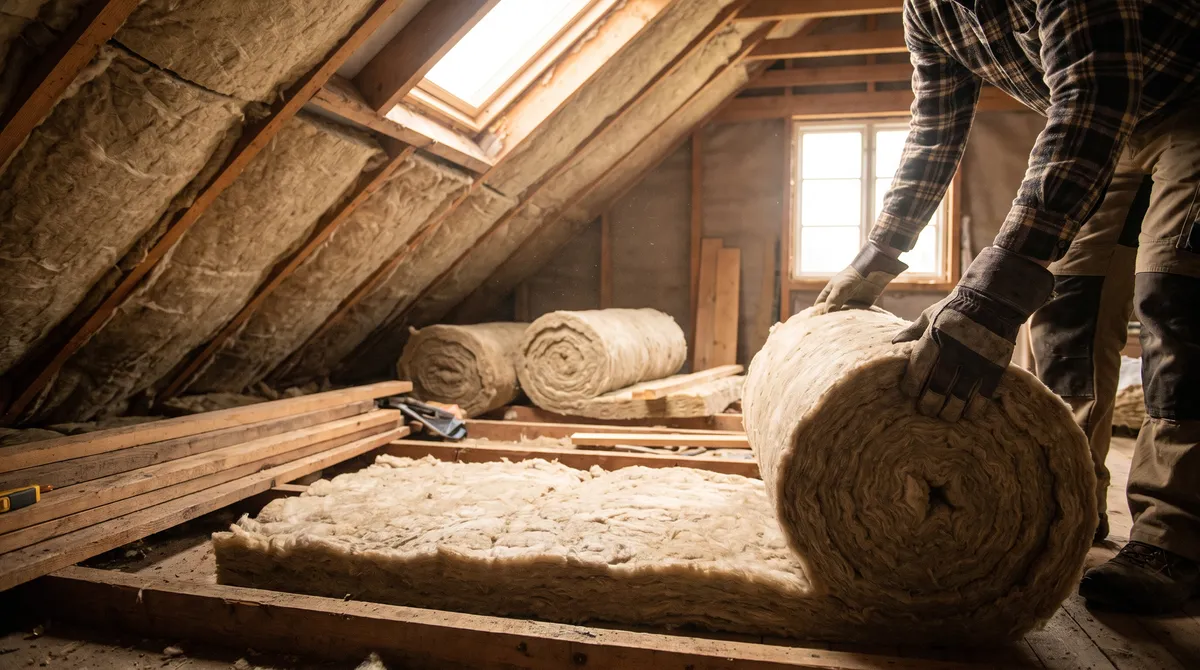
The benchmarks that matter for insulating a pitched roof from the inside, fitted by our teams. Concrete figures, not marketing.
The R value measures the insulant’s thermal resistance. In renovation, grants often require R ≥ 4.5 m²K/W for the roof. We size the thickness to reach — or exceed — this threshold, the condition for a truly warm roof.
A single layer between the rafters lets cold pass through the timber (a thermal bridge). We add a second continuous layer beneath the rafters: heat loss through the frame is broken and overall performance climbs noticeably.
To target R 4.5 to 6, you need 20 to 28 cm of insulant depending on the material (lambda). This is the main constraint when working from inside: we compose the two layers to limit the loss of headroom.
A vapour-check (or vapour barrier) fitted on the inner side, with joined and taped strips, manages moisture migration and protects the insulant and the frame from condensation. The cornerstone of a durable install.
We keep a ventilated air gap between the insulant and the under-roof, or fit a breathable membrane. Air circulates, evacuates residual moisture and preserves the tiles as well as the frame.
Air leaks at the junctions (purlins, gables, openings) ruin good insulation. We treat every joint with tapes and grommets: fewer losses, more comfort, no cold draughts.
* Indicative values for a typical converted-loft renovation. The exact thickness and R value depend on the material, the frame and the available height — confirmed at the survey.
No solution is perfect for every job. Here, honestly, is where under-rafter insulation from the inside excels and where another method is better.
It’s the choice whenever you want to live under the roof without redoing the covering. A few cases where it shines:
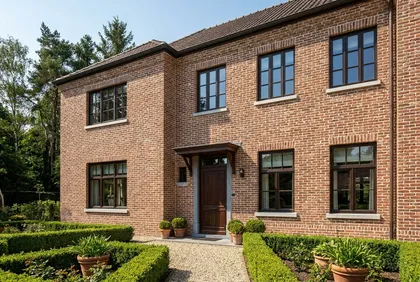
Bedroom, office or playroom under the roof: we insulate the slope from inside to turn a cold volume into a comfortable room.
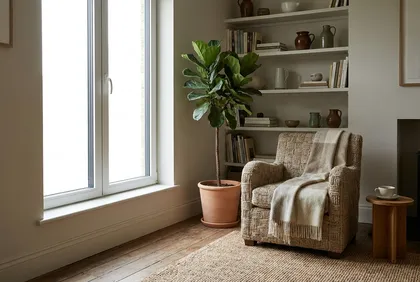
If the tiles and frame are sound, there’s no need to strip everything: insulating from the inside is the most direct and economical route.

When renovating step by step without exterior structural work, under-rafter insulation offers the best comfort gain per euro spent.
If you’re redoing the roof, exterior sarking insulates without losing height and protects the frame. And if the attic is unused, unused-loft insulation at floor level is simpler and cheaper.
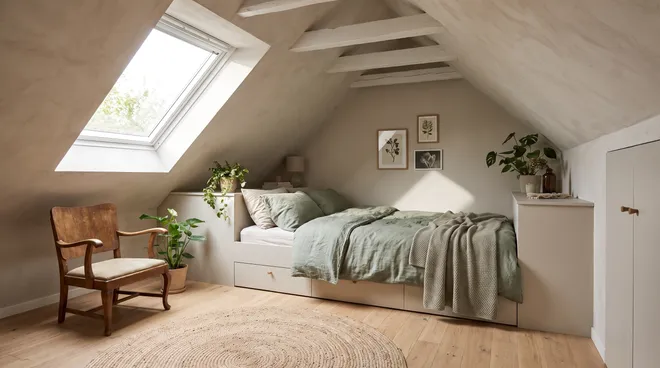
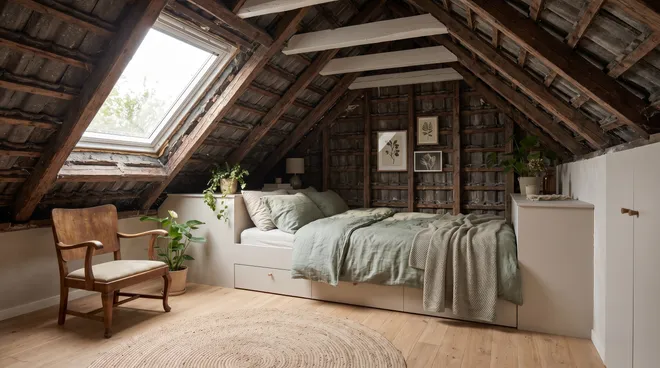
The client wanted to gain a bedroom under the roof, but the loft was uninhabitable in winter and stifling in summer. We fitted two-layer insulation — wood fibre between the rafters then mineral wool beneath them — with a continuous vapour-check and careful airtightness. The room reaches R 5.5 and stays temperate in every season.
4.5/5 · 2verified reviews
« Isolation de la toiture et des combles. Différence ressentie dès l'hiver suivant. Petit retard de planning, mais résultat à la hauteur. »
« Insufflation des murs creux, rapide et sans dégât. La prime régionale a couvert une bonne part. Maison nettement moins froide. »
Under-rafter insulation wins on cost and simplicity when the covering is sound. Compare it point by point with sarking and loft insulation, then open the solution that suits you.
| Critère | Under-rafter insulationVous êtes ici | Sarking (from the outside)Voir la gamme → | Loft insulationVoir la gamme → |
|---|---|---|---|
| Indicative price | €€ — controlled | €€€€ — high | The gentlest |
| Liveable lofts | Yes | Yes | No (unused attic) |
| Headroom | Reduced | Preserved | Not applicable |
| Protects the frame | No (timber on cold side) | Yes | No |
| Covering removal | None | Roof redone | None |
| Achievable performance | Very good (R 4.5–6) | Excellent, continuous | Excellent at floor level |
| Best for | Converted lofts, sound roof | Roof due for renewal | Unused attic |
Continuous insulation laid over the frame, with no loss of height and with timber protection. The reference when redoing the covering.
Discover sarking →For an unused attic, we insulate the floor: simpler, faster and the cheapest way to stop losses through the top.
See loft insulation →Every method for insulating the roof: rafters, sarking, lofts. Which solution suits your project and budget.
Compare the methods →Mineral wool, wood fibre, PUR: lambda, performance and impact. Understand what lies behind the R value.
Choose your material →An alternative that hugs the complex shapes of a frame and delivers airtightness in a single pass.
See sprayed foam →An overview of our insulation solutions in Belgium: roof, walls, floors, grants and audit on one page.
Back to the insulation guide →The price depends on the targeted thickness, the material, loft access and the finish. Insulating from the inside remains one of the most affordable options. Here are some benchmarks for fitted insulation.
See the detailed insulation price grid →* Indicative ranges per m² of fitted under-rafter insulation, excluding specific finishes. A costed estimate is provided with your free quote.
In Belgium, renovation grants for roofs generally require a thermal resistance R of at least 4.5 m²K/W. We size the insulant thickness to reach — or exceed — this threshold, which is also the level that makes lofts genuinely comfortable. The exact threshold depends on your region (Wallonia, Brussels, Flanders).
A single layer placed between the rafters lets the roof timber conduct cold: that’s a thermal bridge. By adding a second continuous layer beneath the rafters, you cover the frame and eliminate that leak. Overall performance and comfort improve noticeably.
The double layer typically takes 20 to 28 cm depending on the material, part of which sits between the existing rafters. The net loss of headroom is often limited to a few centimetres. Under a shallow pitch, we choose a high-performance lambda insulant to reduce the thickness.
Yes. Fitted on the warm (inner) side, with joined and taped strips, it regulates moisture migration and protects both the insulant and the frame from condensation. Under-rafter insulation without moisture management eventually rots the timber: it’s the cornerstone of a durable install.
Mineral wool offers the best performance-to-price ratio. Wood fibre, bio-based, brings excellent summer comfort by delaying the heat. PUR reaches the same R value in less thickness, useful under a shallow pitch. We guide you based on the available height and the budget.
As soon as the R value reaches the regional threshold (often R ≥ 4.5), the job qualifies for a renovation grant and 6% VAT for homes over ten years old. A prior energy audit often maximises the amount. We handle the grant application for you.
Free home survey, R value and grants calculated, a single point of contact. Describe your project in under a minute.