« Devis clair, sans surprise, primes comprises. Un seul interlocuteur du début à la fin. Je recommande sans hésiter pour le photovoltaïque. »
Pierre M.Tournai
A shaded panel holds back the whole string on a string inverter. An optimiser, placed under each panel, isolates it electrically: it produces at its own maximum without affecting its neighbours. The sweet spot between string and micro-inverter, ideal for complex roofs.
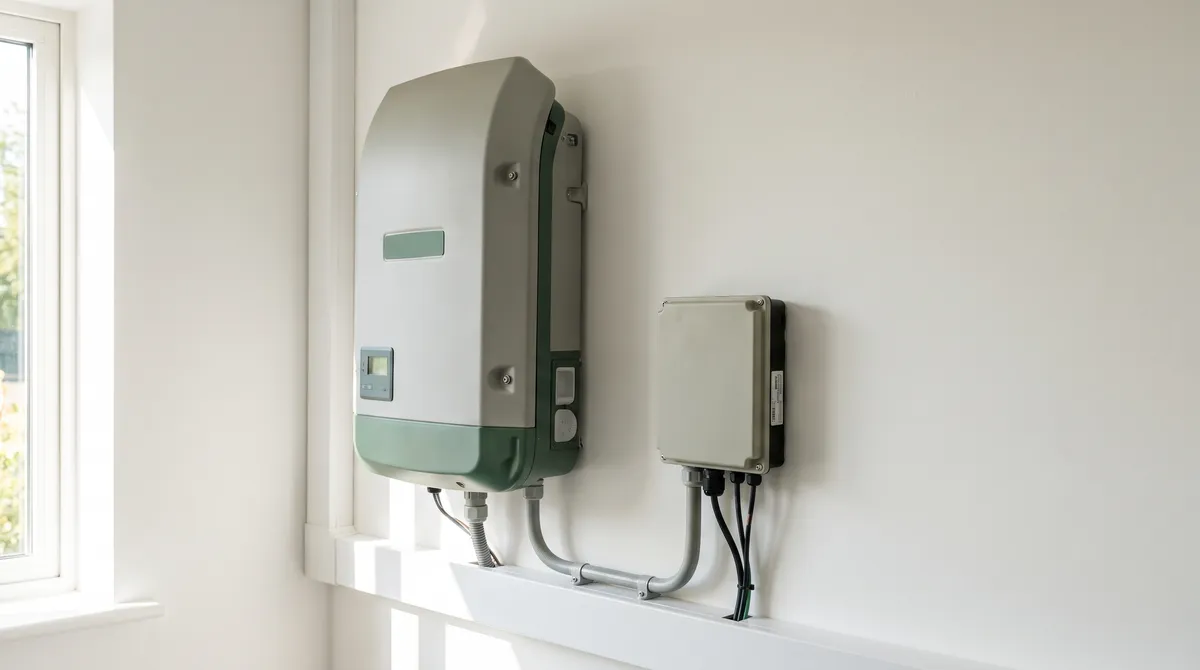
The figures that matter to know whether optimisers are worth the premium on your installation.
The optimiser adjusts the voltage and current of each panel independently. The result: a shaded or dirty panel no longer drags down the others.
The gain depends on how significant the shading is. On a shade-free roof, the gain is near zero — optimisers aren’t justified.
Each panel is tracked individually in the app. A faulty or dirty panel is detected immediately.
During an outage or intervention, each optimiser brings its panel down to 1 V. No more high voltage on the roof: safety for firefighters and technicians.
Optimisers combine with a compatible string inverter. No need for micro-inverters: a single central inverter is enough.
25-year warranty, aligned with the panels’ lifespan. No mid-life replacement, unlike a string inverter.
* Indicative values. The real gain depends on the shading and the configuration — assessed at the survey.
Optimisers aren’t always necessary. Here’s when they’re worth the premium and when you’re better off without.
It all depends on your roof. Three situations where they’re justified:
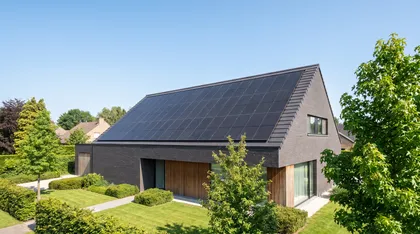
Does a chimney’s shadow touch 2–3 panels? Optimisers free the other panels from that constraint.
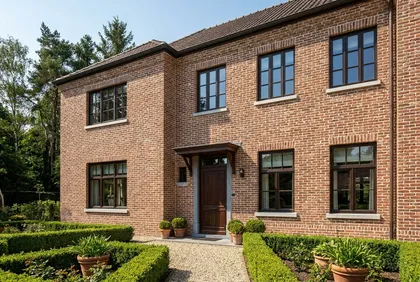
Panels on two different pitches (east + west, for example). Optimisers let each orientation produce at its maximum.
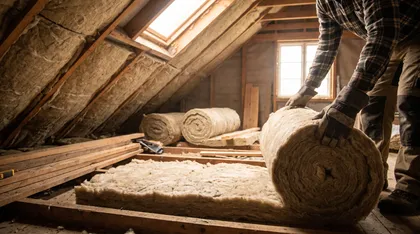
The SafeDC function shuts down the voltage panel by panel. Required in certain contexts (public buildings) and reassuring for everyone.
Micro-inverters go further (AC conversion per panel, 25-year lifespan). But they cost more. Compare with the solar inverter to choose the right architecture.
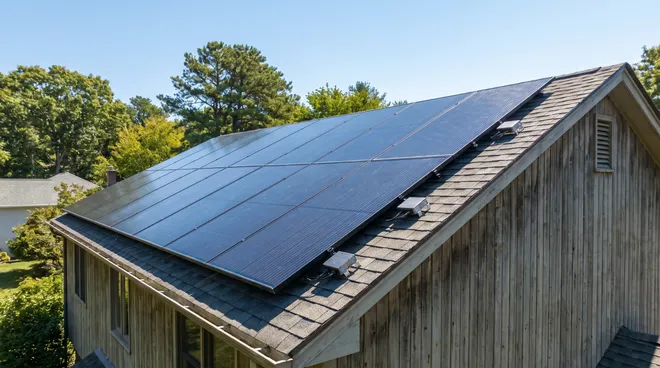
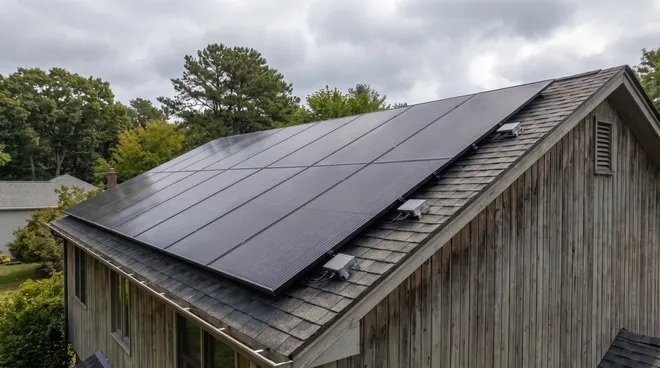
A 5 kWp installation where the chimney shaded 3 of the 12 panels at the end of the day. The entire string was losing 20% of production. After adding optimisers, each panel produces independently: annual production has recovered 15%.
5.0/5 · 1verified reviews
« Devis clair, sans surprise, primes comprises. Un seul interlocuteur du début à la fin. Je recommande sans hésiter pour le photovoltaïque. »
Three possible architectures for your installation. The choice depends on shading and budget.
| Critère | Optimisers + stringVous êtes ici | String aloneVoir la gamme → | Micro-invertersVoir la gamme → |
|---|---|---|---|
| Shading management | Per panel | String affected | Per panel |
| Price | In between | The gentlest | The highest |
| Monitoring | Per panel | Overall | Per panel |
| SafeDC safety | Yes | No | Yes |
| Lifespan | 25 years (optim) + 10–15 (inv.) | 10–15 years | 20–25 years |
| Battery possible | With hybrid | With hybrid | Separate AC battery |
| Ideal for | Partial shading, safety | Simple roof, budget | Very complex roof |
The string inverter is still needed with optimisers. We choose a compatible one.
See the inverters →Optimisers fit into the kit if your roof justifies them.
See the kits →N-type, P-type, bifacial: optimisers work with all types.
See the types →Combine optimisers and a hybrid inverter for storage and backup.
See the batteries →Assess your roof’s shading and orientation before choosing the architecture.
Check my roof →An overview of our solar panels in Belgium.
Back to the solar guide →The premium is €40 to €70 per panel. It’s only justified if shading or mixed orientations call for it.
See full solar kit prices →* Indicative ranges per installed optimiser. The production gain must offset the premium over time.
No. On a simple roof, with no shade and a single orientation, a string inverter alone is enough. Optimisers are only justified if shading or mixed orientations reduce the production of some panels.
The gain depends on how significant the shading is. On a lightly shaded roof, the gain is 5 to 15%. On a heavily shaded roof, it can reach 25%. On a shade-free roof, the gain is near zero.
Yes, provided the inverter is compatible. If it isn’t, we replace the inverter at the same time. We check compatibility before proposing.
The optimiser is a DC-DC converter: it adjusts the voltage but doesn’t convert to AC. It stays cheaper than a micro-inverter and requires a central string inverter. The micro-inverter converts directly to AC under each panel.
Warranted 25 years, they’re designed to last as long as the panels. No moving parts, sealed electronics. Reliability feedback is excellent on the major brands.
SolarEdge is the leader in optimisers (a closed system with a SolarEdge inverter). Tigo offers optimisers compatible with other inverter brands. We choose based on your configuration.
Free shading assessment, precise sizing, incentives calculated. Describe your project in under a minute.