« Devis clair, sans surprise, primes comprises. Un seul interlocuteur du début à la fin. Je recommande sans hésiter pour le photovoltaïque. »
Pierre M.Tournai
Without an inverter, your panels produce unusable direct current. The inverter converts it into 230 V alternating current for your home, optimises production in real time and monitors every kilowatt-hour. String, micro-inverter or hybrid: the choice depends on your roof and your plans.
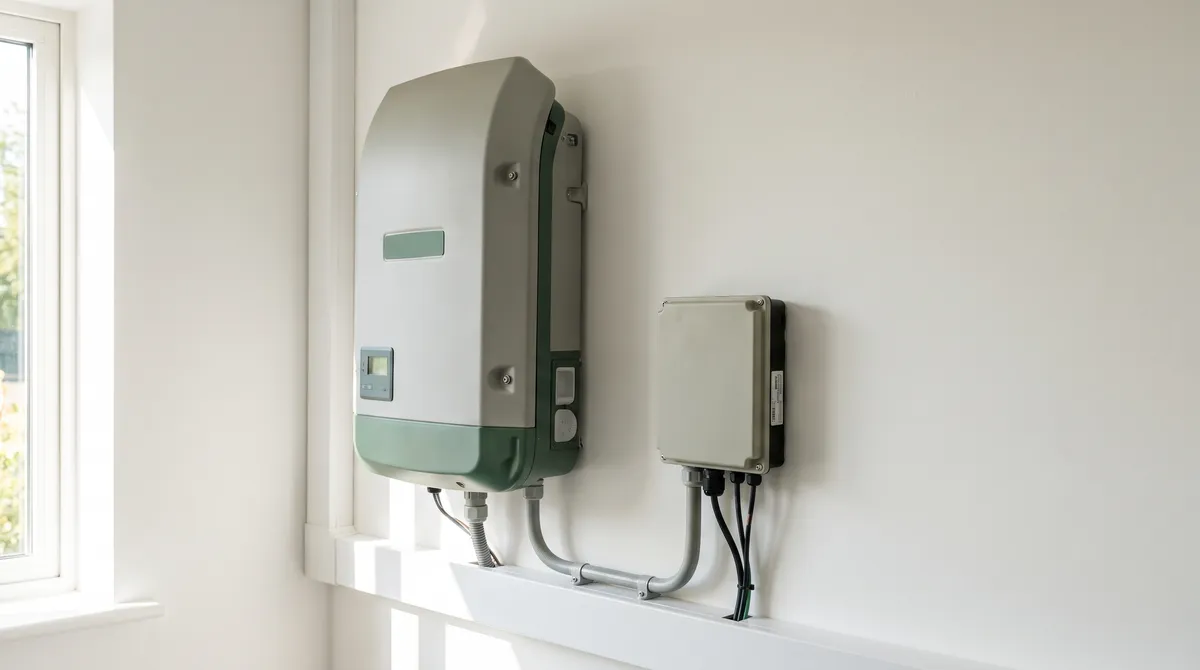
The inverter is the centrepiece of your installation. Here’s what matters.
Conversion efficiency (DC to AC) reaches 96 to 98% on recent models. The remaining 2 to 4% are unavoidable thermal losses.
One inverter for the whole string of panels. Simple, reliable and economical. Ideal for a homogeneous roof (same orientation, no shade).
A small inverter under each panel. Each one produces independently: if a panel is shaded, the others are unaffected. More expensive, but optimal on a complex roof.
The hybrid inverter manages panels, battery and grid. It unlocks the backup function (power during outages). The centrepiece of storage.
The number of MPPT trackers determines how many panel orientations the inverter manages independently. Two pitches = 2 MPPT minimum.
The inverter lasts less long than the panels (25–30 years). Plan for a mid-life replacement. The warranty covers 10 to 15 years depending on the brand (extendable).
* Indicative values for mainstream inverters. The exact model is chosen based on the output and the configuration.
The type of inverter depends on your roof and your plans (battery, backup).
The roof guides the choice as much as the budget. Three common situations:
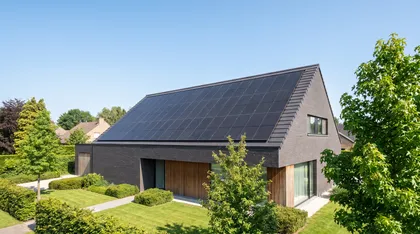
A string inverter with 1 or 2 MPPT is enough. It’s the most economical and the most common in Belgium.
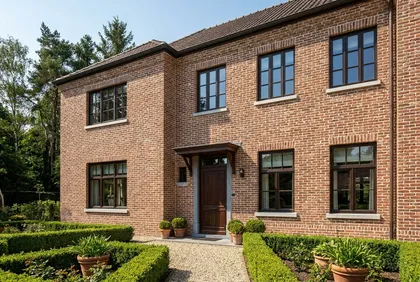
Micro-inverters or optimisers: each panel produces independently, so one panel’s shading doesn’t affect the others.
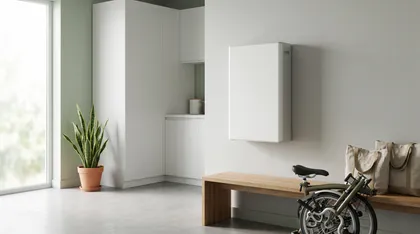
The hybrid inverter manages panels, battery and grid as one. Essential for backup.
The optimisers combine with a string inverter for a compromise between the two approaches. And for storage, see the solar battery.
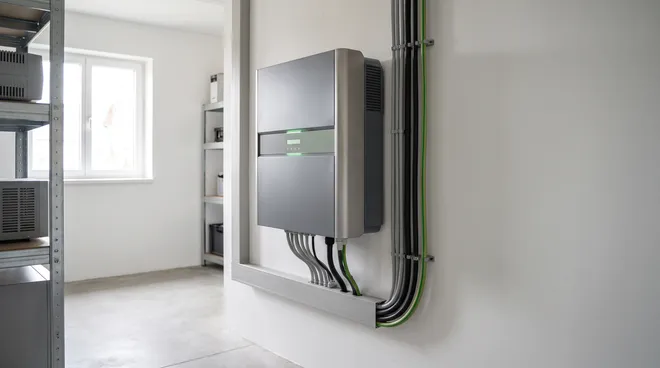
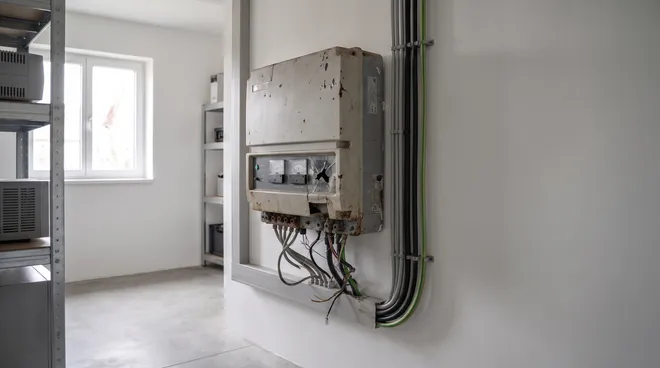
An 8-year-old string inverter had failed. Rather than replacing like for like, the customer opted for a hybrid and a 10 kWh battery. The result: higher self-consumption and backup power on the priority circuits.
5.0/5 · 1verified reviews
« Devis clair, sans surprise, primes comprises. Un seul interlocuteur du début à la fin. Je recommande sans hésiter pour le photovoltaïque. »
The table to choose the type of inverter suited to your installation.
| Critère | StringVous êtes ici | Micro-inverterVoir la gamme → | HybridVoir la gamme → |
|---|---|---|---|
| Price | The gentlest | Higher | In between |
| Shading | String affected | Panel by panel | String (+ optim. possible) |
| Monitoring | Overall | Per panel | Overall (+ battery) |
| Battery | No | No | Yes, integrated |
| Backup | No | No | Yes |
| Lifespan | 10–15 years | 20–25 years | 10–15 years |
| Ideal for | Simple roof, budget | Complex roof, shading | Storage, independence |
Combine the advantages of string and micro: per-panel optimisation with a single central inverter.
See the optimisers →The hybrid inverter drives the battery. Add storage for evening self-consumption.
See the batteries →The inverter is included in the kit. We choose the type suited to your roof.
See the kits →The hybrid inverter with EPS keeps your priority circuits running during outages.
See backup →N-type, P-type, bifacial: which panel for which inverter.
See the types →An overview of our solar panels in Belgium.
Back to the solar guide →The price depends on the type and the output. The inverter accounts for 15 to 25% of the cost of an installation.
See full solar kit prices →* Indicative ranges for installed hardware. The price depends on the output and the model.
A string inverter lasts 10 to 15 years, a micro-inverter 20 to 25 years. Since panels last 25–30 years, plan for a string inverter replacement at mid-life. The warranty is extendable on most brands.
Yes. The hybrid inverter manages the battery’s charging and discharging. If you’re planning a battery (now or later), choosing a hybrid from the start avoids changing the inverter afterwards.
Indoors (garage, utility room, cellar) close to the electrical panel. The inverter needs proper ventilation and a moderate temperature. It emits a faint hum during the day.
A faint hum during the day (internal fan). At night, it’s silent. Micro-inverters are completely silent as they’re placed on the roof.
The installation shuts down (safety: no injection without an inverter). Replacement takes a few hours. Good monitoring detects the fault immediately.
Optimisers on a string inverter offer a good compromise: per-panel optimisation without the premium of full micro-inverters. We assess the shading at the survey to decide.
Free configuration study, choice of the right type, incentives calculated. Describe your project in under a minute.