« Isolation de la toiture et des combles. Différence ressentie dès l'hiver suivant. Petit retard de planning, mais résultat à la hauteur. »
Thomas R.Mons
When every centimetre counts, polyurethane (PUR) and polyisocyanurate (PIR) take the lead. With a lambda among the lowest on the market (~0.022 W/mK), these rigid boards reach a high thermal resistance in a slim thickness — the solution for floors under screed, balconies and roofs in sarking.
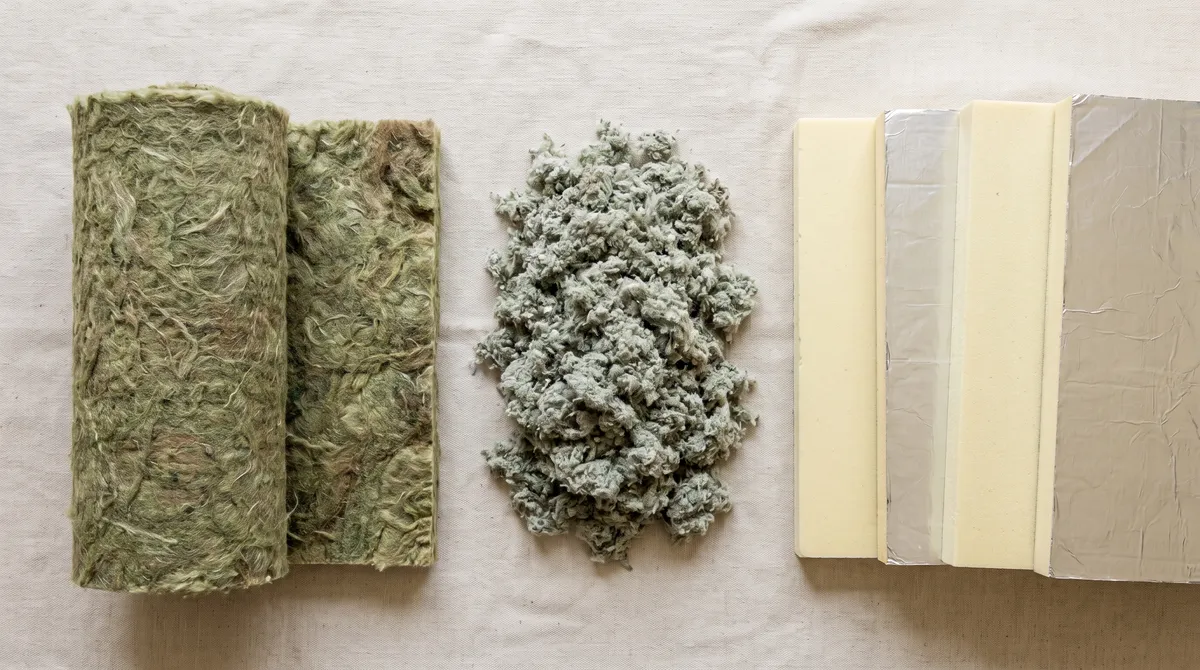
The hard facts about a high-performance rigid insulant installed by our teams. Useful figures for comparison, not marketing.
This is the lowest lambda of the common insulants. The lower the value, the more the material slows heat: at equal thermal resistance (R), PUR/PIR needs far less thickness than wool or cellulose.
Where mineral wool needs 16 to 18 cm, a PIR board reaches the same resistance with about 10 cm. Decisive under a screed, on a balcony or in sarking, when every centimetre of height counts.
Rigid sheets covered with a kraft, glass-fleece or aluminium facing that acts as a vapour barrier and reflector. Straight or tongue-and-groove edges to limit thermal bridges between boards.
Its rigidity supports a screed or a floor: you insulate a floor with no settling over time. The board keeps its thickness and performance under load, unlike soft insulants.
The closed-cell structure absorbs very little water and keeps its performance in a damp environment. An asset in floors, cellars or under roofs, provided the joint airtightness is well handled.
PIR resists fire better and gives off less smoke than PUR: it’s the variant to prefer. Both remain petroleum-based materials to be classified correctly according to the wall and the regulations.
* Indicative values for common-range boards. The exact lambda depends on the facing and the density; the thickness is calculated from the target thermal resistance (R) — confirmed during the survey.
No insulant is perfect for every wall. Here, honestly, is where PUR/PIR excels and where a wool or wood fibre will fit better.
It comes into its own whenever space is tight and you need maximum performance in little thickness. A few cases where it shines:
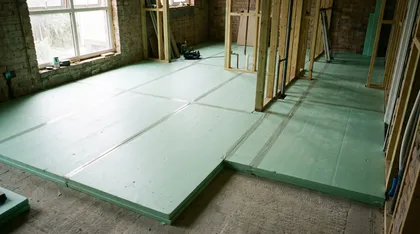
Under a screed or underfloor heating, the rigidity and low lambda of PUR/PIR insulate without eating into the ceiling height. The reference in floor renovation.
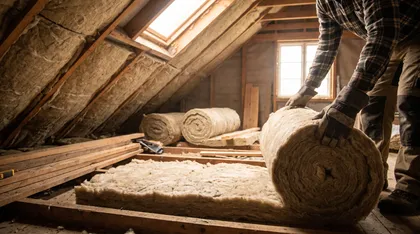
Laid above the rafters, the rigid boards eliminate the roof frame’s thermal bridges and preserve the attic volume. PIR excels here thanks to its slim thickness.

Anywhere every centimetre counts — balconies, door thresholds, drops — PUR/PIR delivers the expected thermal resistance without any awkward over-thickness.
If thermal lag and summer comfort come first, look instead at cellulose. For a versatile price-to-performance ratio, mineral wool remains a safe bet.
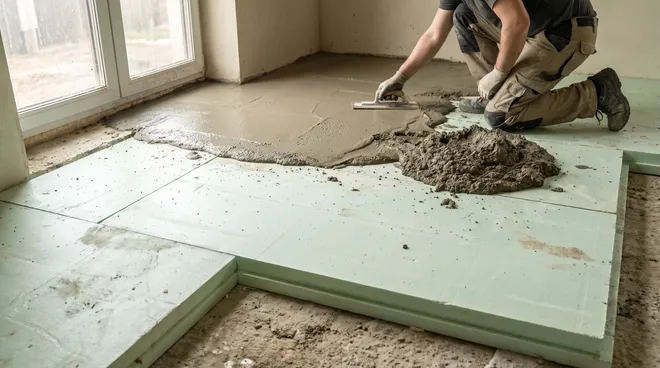
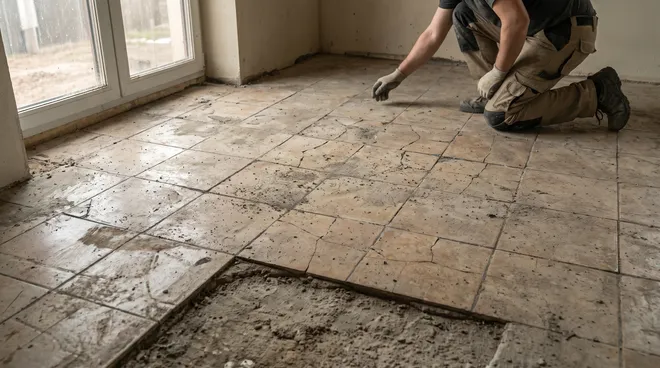
The ground-floor slab sat over an unheated cellar, a source of cold feet and heat loss. Raising the floor much was out of the question. We laid 8 cm of aluminium-faced PIR boards under a flowing screed: a high thermal resistance in a minimal thickness, and comfort restored from the very next winter.
4.5/5 · 2verified reviews
« Isolation de la toiture et des combles. Différence ressentie dès l'hiver suivant. Petit retard de planning, mais résultat à la hauteur. »
« Insufflation des murs creux, rapide et sans dégât. La prime régionale a couvert une bonne part. Maison nettement moins froide. »
PUR/PIR wins on lambda and thickness; fibres win on summer comfort and ecology. Compare point by point, then open the material that matches your wall.
| Critère | PUR / PIRVous êtes ici | Mineral woolVoir la gamme → | CelluloseVoir la gamme → |
|---|---|---|---|
| Lambda (conductivity) | 0.022–0.028 — the lowest | 0.032–0.040 | 0.038–0.042 |
| Thickness at equal R | The slimmest | Medium | Thicker |
| Fire behaviour | Combustible (PIR > PUR) | Non-combustible | Well treated (salts) |
| Summer comfort / thermal lag | Low | Medium | Excellent |
| Ecology / embodied energy | Petroleum-based, high | Average | Recycled, low |
| Moisture resistance | Excellent (closed cell) | Sensitive if wet | Regulates vapour |
| Ideal for | Floors, sarking, slim thickness | Walls, attics, versatile | Attics, summer comfort |
Wool, cellulose, PUR/PIR, wood fibre: compare the insulants to pick the right one for each wall of your home.
Compare the materials →Non-combustible and versatile, the best price-to-performance ratio for walls and attics. Thicker at equal R.
Compare with wool →A recycled insulant with unbeatable thermal lag: the best summer comfort. The eco-friendly alternative to PUR/PIR.
Discover cellulose →PUR/PIR’s favourite use: under a screed or over a cellar, insulating the floor without losing height.
See floor insulation →Rigid boards above the rafters: zero roof-frame thermal bridge and attics preserved.
Discover sarking →An overview of our insulation solutions in Belgium: walls, roof, floor, materials, installation and grants on one page.
Back to the insulation guide →The price depends on the thickness, the facing and the application. PUR/PIR costs more per square metre than fibres, but saves on thickness. Here are some benchmarks for installed insulant.
See the detailed insulation price list →* Indicative ranges per m² supplied and installed, excluding substrate preparation. A costed estimate is provided with your free quote.
Both are rigid closed-cell foams, highly insulating. PIR (polyisocyanurate) is an evolution of PUR (polyurethane): it resists fire better and gives off less smoke, with similar thermal performance. Given the choice, we favour PIR, especially in roofs and exposed walls.
Because its lambda (thermal conductivity) is the lowest of the common insulants, around 0.022 W/mK. At equal thermal resistance, it needs almost half the thickness of mineral wool. That’s the decisive asset when height is tight, such as under a screed or on a balcony.
Yes, it’s its favourite use. Its rigidity supports a screed or a floor without settling, and its low lambda insulates a floor over a cellar or on the ground without eating into the ceiling height. It is also laid under underfloor heating.
This is its main limit: its thermal lag is low, heat crosses quickly. For summer comfort in attics, cellulose or wood fibre is far more effective. PUR/PIR is justified above all by its winter performance in little thickness.
Very little: its closed-cell structure absorbs almost no water and keeps its performance in a damp environment, which makes it a good choice in floors, cellars or under roofs. It remains essential to handle airtightness by treating the joints between boards.
Grants depend on the thermal resistance (R) achieved and the wall insulated, not on the material. High-performance floor or roof insulation qualifies, depending on your region and income, for a renovation grant and the 6% VAT rate for homes over ten years old. We handle the paperwork for you.
Free on-site survey, grants calculated, a single point of contact. Describe your project in under a minute.