« Devis clair, sans surprise, primes comprises. Un seul interlocuteur du début à la fin. Je recommande sans hésiter pour le photovoltaïque. »
Pierre M.Tournai
One micro-inverter per panel converts the direct current into alternating current right at the roof. The result: a panel in the shade of a chimney or a tree no longer holds back the whole installation. The solution for complex, multi-orientation and partly shaded roofs in Belgium — with panel-by-panel monitoring and no high voltage on the roof.
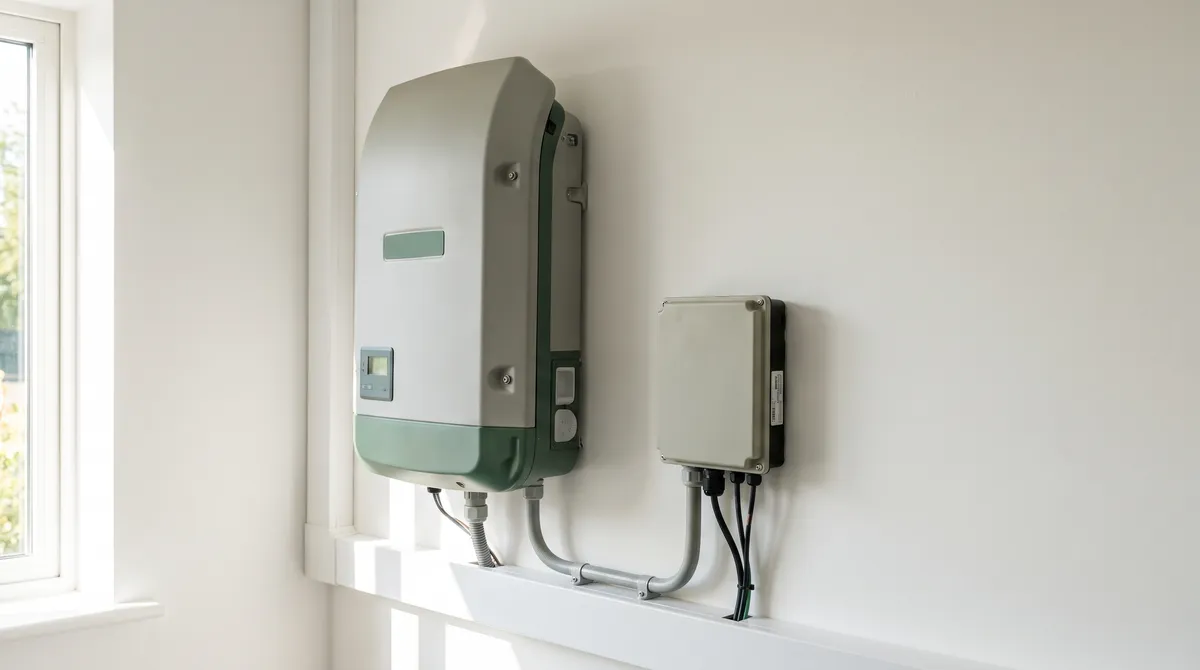
The concrete benchmarks of distributed power electronics (MLPE), installed by our teams. Useful figures, not marketing.
Each panel has its own inverter fixed under the module. The DC→AC conversion happens right at the roof: there is no single large central inverter, and no common weak link across the whole chain.
Each panel drives its own maximum power point (MPPT) independently. A module shaded by a chimney or a tree produces less, but the others stay at 100% — whereas a string inverter aligns the whole chain on the weakest panel.
East/west slopes, L-shaped roofs, several pitches: since each panel is independent, you can freely mix orientations on the same installation without penalising the overall output.
The current flowing on the roof is low-voltage alternating current, not high-voltage direct current. The risk of an electric arc is greatly reduced and rapid shutdown is made easier for firefighters.
Each module reports its individual output in the app. You immediately spot a soiled, faulty or shaded panel, with no need to diagnose the whole chain.
Micro-inverters are warranted far longer than a central inverter (often 8 to 12 years). And in case of failure, only one module is affected: the rest of the installation keeps producing.
* Indicative values for mainstream micro-inverters. The gains from shading depend heavily on your roof configuration — quantified during the survey.
No technology is ideal for every roof. Here, honestly, is where the micro-inverter excels and where another solution will be more relevant.
It comes into its own as soon as the roof is not a perfect, clear plane. A few cases where it makes all the difference:
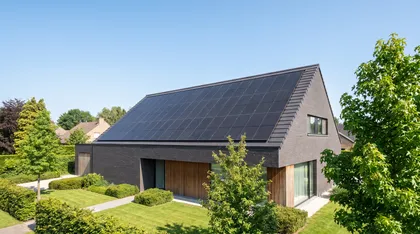
Chimney, dormer, neighbouring tree, antenna: if part of the panels is shaded at certain hours, the micro-inverter isolates the loss to the single module concerned.
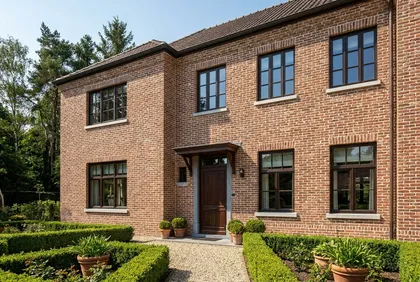
East and west slopes, L-shaped roof, hips: since each panel is independent, you cover every face without aligning output on the worst one.

Planning to expand later, or to track each panel closely? The micro-inverter is added module by module and is diagnosed individually.
For a single, clear, full-south roof with storage, a hybrid inverter is often more relevant. And to optimise an existing string without replacing everything, look at optimisers.
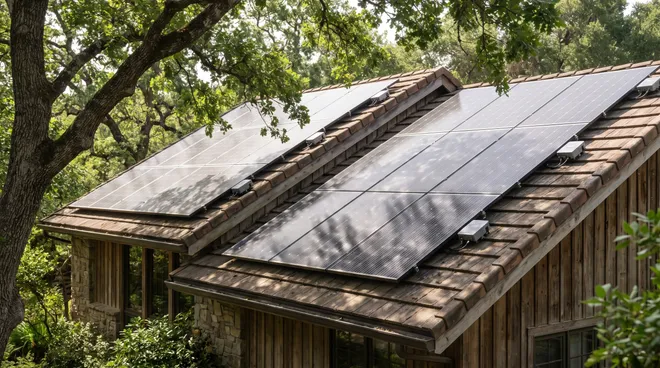
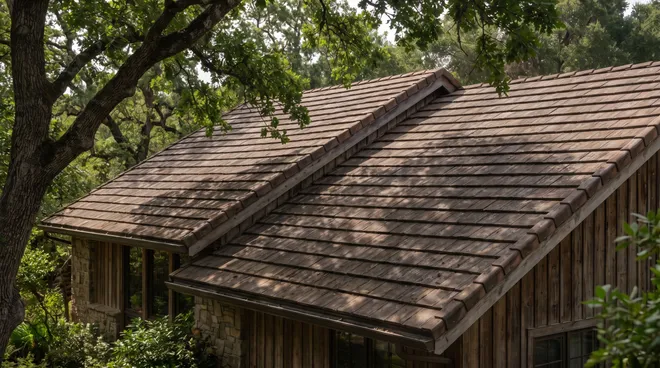
The roof, split between an east slope and a west slope, was partly shaded by a large oak at the end of the day. With a string inverter, every shadow dragged down the whole chain. We fitted one micro-inverter per panel: each module now produces according to its own sunlight, and the panel-by-panel monitoring revealed two modules that needed cleaning.
5.0/5 · 1verified reviews
« Devis clair, sans surprise, primes comprises. Un seul interlocuteur du début à la fin. Je recommande sans hésiter pour le photovoltaïque. »
The micro-inverter wins on shading, multi-orientation and safety. Compare it point by point with the hybrid inverter and optimisers, then open the solution that fits your roof.
| Critère | Micro-inverterVous êtes ici | Hybrid inverterVoir la gamme → | OptimisersVoir la gamme → |
|---|---|---|---|
| Indicative price | €€€ — higher per Wp | €€ — central | €€ — intermediate |
| Shading management | Excellent, per panel | Weak (shared string) | Very good, per panel |
| Multiple orientations | Ideal | Limited (per string) | Very good |
| Safety (roof voltage) | Low-voltage AC | High-voltage DC | Reduced DC (shutdown) |
| Battery coupling | Indirect (AC) | Native and direct | Depending on central inverter |
| Monitoring | Per panel | Whole installation | Per panel |
| Ideal for | Complex, shaded roofs | Simple roof + storage | Optimising a string |
The role of the inverter, the main families (central, hybrid, micro) and how to choose based on your roof and your needs.
Understand the inverter →A central inverter ready for the battery. Easier to pair with storage on a clear, well-exposed roof.
Discover the hybrid →Shading managed per panel, but with a central inverter kept in place. A cost/performance compromise worth knowing.
Compare the optimisers →Monocrystalline, bifacial, full-black: the panel and the inverter are chosen together for the right output.
See the panel types →The micro-inverter built into plug-and-play balcony kits: local production, simple connection, self-consumption.
See balcony solar →An overview of our photovoltaic installations in Belgium: panels, inverters, storage, subsidies and self-consumption.
Back to the solar guide →The price is counted per panel, since you need one micro-inverter per module. The extra cost pays off above all on shaded or multi-orientation roofs. Here are some benchmarks for fitted equipment.
See the detailed inverter prices →* Indicative ranges per fitted micro-inverter, excluding specific configuration. Detailed estimate provided with your free quote.
A standard (string) inverter is a single unit that converts the power of a whole chain of panels: if one panel weakens, the whole chain aligns on it. The micro-inverter places a small inverter under each panel, which converts the power individually. Each module then produces according to its own sunlight, independently of its neighbours.
Yes, that is precisely its strength. As soon as a chimney, a dormer or a tree shades part of the roof at certain hours, the micro-inverter isolates the loss to the single panel concerned. On a regularly shaded roof, the production gain commonly reaches 5 to 25% compared with a string inverter.
Absolutely. Since each panel manages its own power point, you can freely install east and west slopes, several pitches or an L-shaped roof on the same installation, without the least-exposed face penalising the others. This is one of the technology’s great strengths.
Yes. Since the conversion happens right at the panel, it is low-voltage alternating current that flows on the roof, not high-voltage direct current as with a central inverter. The risk of an electric arc is greatly reduced and emergency shutdown (rapid shutdown) for rescue services is made easier.
Only the panel concerned stops producing; the rest of the installation continues as normal. The panel-by-panel monitoring identifies the faulty module straight away, which makes troubleshooting simple and targeted. Micro-inverters are, moreover, warranted for 20 to 25 years, far longer than a central inverter.
Yes, but the coupling happens on the alternating-current side, which adds a conversion. If storage is central to your project and your roof is simple and clear, a hybrid inverter will often be more direct and economical. We compare both options together based on your installation.
Free roof survey, shading analysed, subsidies calculated, a single point of contact. Describe your project in under a minute.