« Devis clair, sans surprise, primes comprises. Un seul interlocuteur du début à la fin. Je recommande sans hésiter pour le photovoltaïque. »
Pierre M.Tournai
Monocrystalline, polycrystalline, N-type, bifacial: they all produce electricity from sunlight, but their efficiency, lifespan and cost differ. In Belgium, monocrystalline dominates residential. This guide compares the technologies to point you the right way.
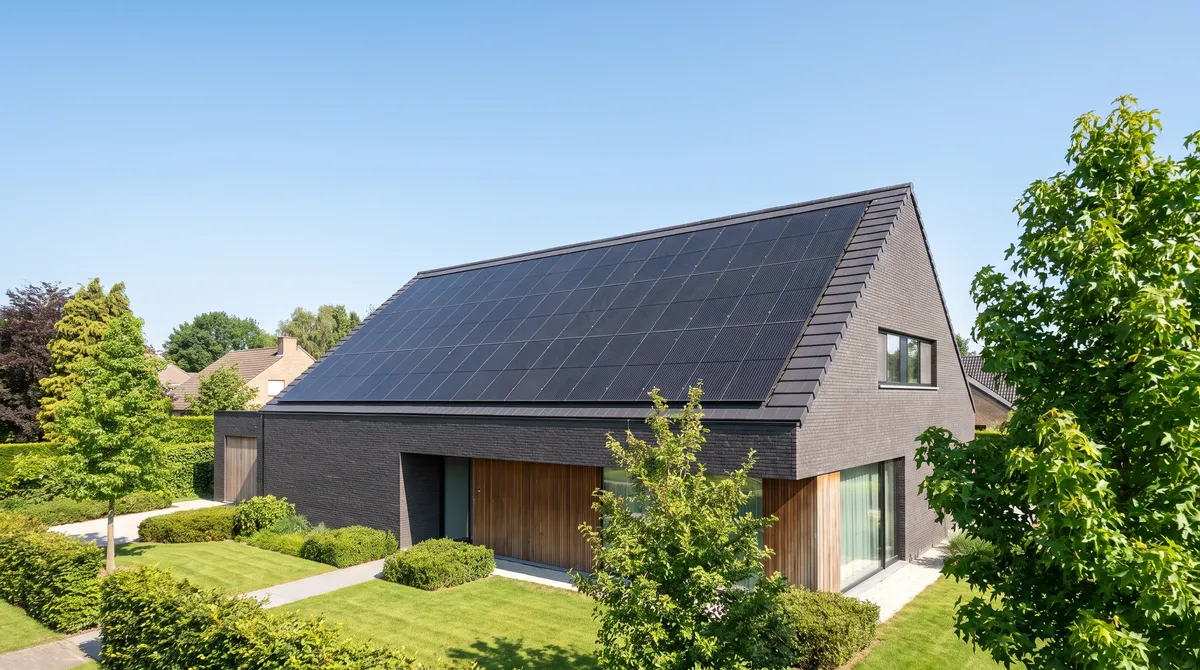
They all capture light, but the cell makes the difference. Here’s what each technology brings in practice.
The most widespread technology. Pure silicon cells, black, good efficiency. Reliable and proven, it’s the standard choice for Belgian residential.
The latest generation: better efficiency, slower degradation (near-zero LID) and better behaviour in low light. The rising standard in 2026.
The panel captures light on both faces. The gain depends on the albedo (reflective surface under the panel). Attractive on flat roofs or on raised structures.
Blue cells, cheaper but lower efficiency. Almost gone from the Belgian residential market in favour of monocrystalline, whose prices have caught up.
A 400 Wp mono N-type panel takes up about 1.8 m². The higher the efficiency, the less roof surface you need for the same production.
Linear production warranty (85–92% after 25 years depending on the technology). N-types offer the slowest degradation and the best long-term warranty.
* Indicative values for mainstream panels in 2026. Real-world performance depends on the model and the installation — confirmed during the survey.
The right type depends on your roof, your budget and your goals. Here’s how to find your way.
The roof guides the choice as much as the budget. Three common situations:
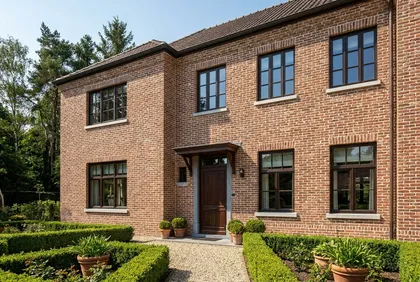
Monocrystalline N-type maximises production per m². Each panel produces more, so you need fewer of them to reach the target output.

Bifacial on a tilted structure captures the light reflected by the membrane. An extra gain that strengthens the payback.
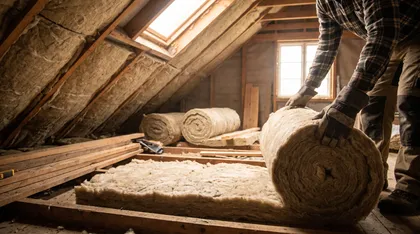
On a large installation, bifacial N-type combines high efficiency and a bilateral gain. The extra investment pays off through the increased production.
The inverter and the optimisers weigh as much as the panel on real production. And the roof (orientation, pitch, shading) remains the first factor.
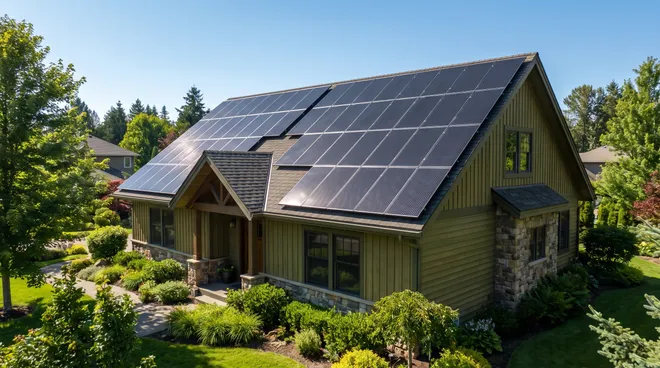
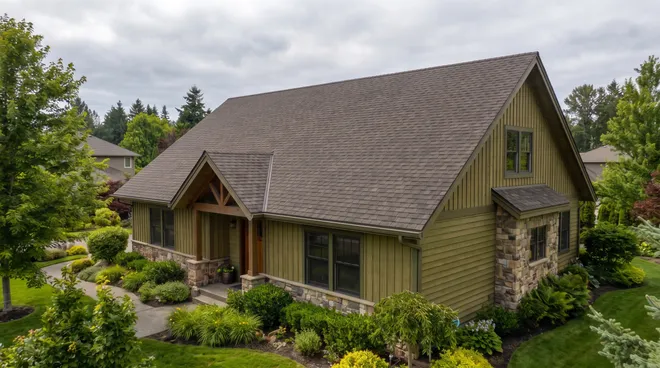
A 30 m² south-facing roof where the customer was torn between P-type and N-type. We installed 14 monocrystalline N-type panels of 420 Wp: 5.9 kWp on the same surface that would have held only 5.3 kWp in P-type. An 11% gain in annual production.
5.0/5 · 1verified reviews
« Devis clair, sans surprise, primes comprises. Un seul interlocuteur du début à la fin. Je recommande sans hésiter pour le photovoltaïque. »
The table to see the differences at a glance. Polycrystalline is no longer relevant in residential in 2026.
| Critère | Mono N-typeVous êtes ici | Mono P-typeVoir la gamme → | BifacialVoir la gamme → |
|---|---|---|---|
| Efficiency | 21–22% | 19–21% | 21–22% + rear gain |
| Annual degradation | ~0.3%/yr | ~0.5%/yr | ~0.3%/yr |
| Low light | Very good | Good | Very good |
| Price | 2026 standard | Slightly less | Slightly more |
| Bilateral gain | No | No | +5–15% |
| Production warranty | 25–30 years | 25 years | 25–30 years |
| Ideal for | Standard residential | Tight budget, large surface | Flat roof, raised structure |
Panels + inverter + installation: the turnkey kit sized for your consumption.
See the kits →The type of inverter (string, micro, hybrid) weighs as much as the panel on production.
See the inverters →Maximise each panel independently in case of shading or mixed orientations.
See the optimisers →Orientation, pitch, roof covering: the roof remains the first factor in production.
Check my roof →Store the surplus for the evening. The battery multiplies your panels’ self-consumption.
See the batteries →An overview of our solar panels in Belgium: production, inverters, batteries and incentives.
Back to the solar guide →The price per Wp varies little between P-type and N-type in 2026. Bifacial is slightly more expensive. Here are some benchmarks for installed hardware.
See full solar kit prices →* Indicative ranges for installed hardware (panel only). The price of a complete kit depends on the total output and the inverter.
No, for residential. Monocrystalline has caught up with polycrystalline on price while offering better efficiency. Poly is still used in some large industrial installations, but it has all but disappeared from the Belgian consumer market.
N-type uses phosphorus doping (instead of boron for P-type). The result: better efficiency, slower degradation and better behaviour in low light. In 2026, the N-type premium is minimal and most installers offer it as standard.
The bilateral gain depends on the reflectivity beneath the panel. On a flat roof with a light membrane or a raised structure, the gain reaches 10–15%. On a classic pitched roof, the gain is marginal and the premium isn’t always justified.
It depends on your annual consumption and the available surface. For an average Belgian household (~4,000 kWh/year), 10 to 14 panels of 400 Wp are enough (4–6 kWp). We size it precisely at the survey.
Yes. Panels produce as soon as there is light, even diffuse. In Belgium, annual production is around 900 to 1,000 kWh per kWp installed. N-types produce a little more than P-types in overcast weather.
Two warranties: the product warranty (manufacturing defects, 15–25 years) and the linear production warranty (85–92% of output after 25–30 years). N-types offer the best linear warranties on the market.
Free roof assessment, precise sizing, incentives calculated. Describe your project in under a minute.