« Devis clair, sans surprise, primes comprises. Un seul interlocuteur du début à la fin. Je recommande sans hésiter pour le photovoltaïque. »
Pierre M.Tournai
A photovoltaic installation isn’t just panels. The inverter, the mounting structure, the cabling and the monitoring make just as much difference to efficiency, lifespan and safety. Here, without needless jargon, is what makes up an installation and how to choose reliable equipment.
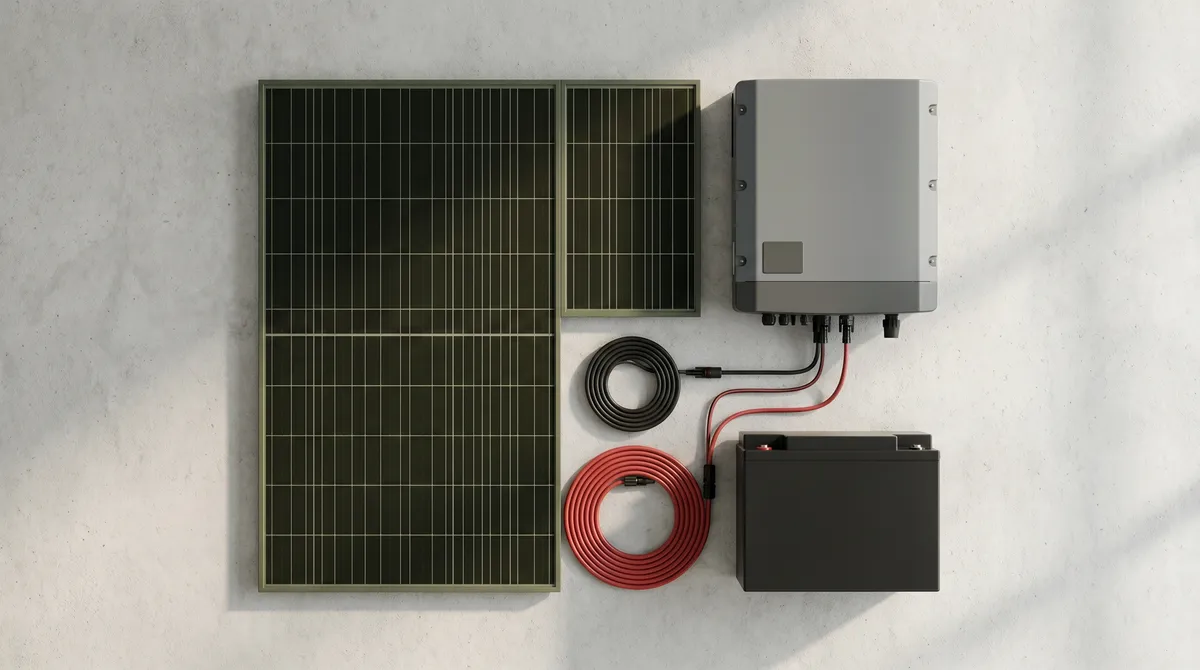
Six elements make a complete solar installation. Here’s the role of each and the figures to watch so you don’t pick the wrong equipment.
The panel (or module) turns light into electricity. Power is measured in watts-peak (Wp): a recent module reaches 400 to 450 Wp for about 2 m². Power density (Wp/m²) matters as much as price on roofs limited in surface area.
The inverter converts the panels’ direct current into alternating current usable in the home. It’s the heart of the installation: efficiency above 97% and a good voltage range ensure the energy produced isn’t wasted in conversion.
Instead of a single central inverter, a micro-inverter is placed under each panel. Each module then produces independently: ideal with partial shading or multiple roof slopes, with panel-by-panel tracking.
The storage battery keeps the day’s surplus for the evening. A capacity of 5 to 15 kWh covers a household’s needs. It boosts self-consumption but remains an investment to size to your consumption profile.
Rails, hooks and clamps fix the panels to the roof. An aluminium and stainless-steel structure, properly sized for wind and snow, ensures the roof’s watertightness and the installation’s durability over decades.
An app links the inverter to your smartphone: production, self-consumption, fault alerts. Monitoring lets you spot a drop in efficiency immediately and check that each panel is pulling its weight.
* Indicative values for mainstream equipment installed in Belgium. Exact specifications depend on the brands chosen and the sizing — specified at the roof assessment.
Not all solar equipment is equal. Here, honestly, is what quality equipment brings and the pitfalls of bargain installations.
The right equipment depends on your roof and your goal. Three typical cases where the choice of components changes everything:
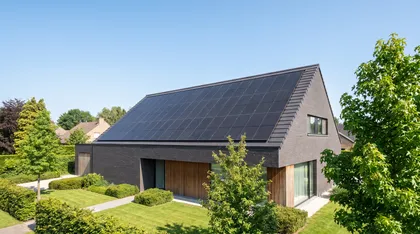
A single clear slope, no shade: a central string inverter is enough and remains the most economical choice. We optimise the number of panels to cover your consumption.
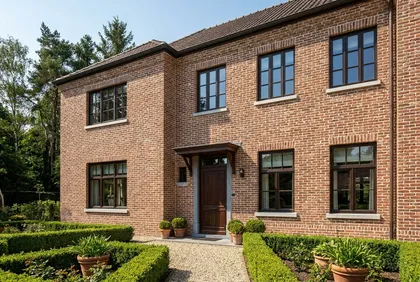
Chimney, tree, dormer or several slopes: we switch to micro-inverters or optimisers so shade on one panel doesn’t penalise the whole chain.
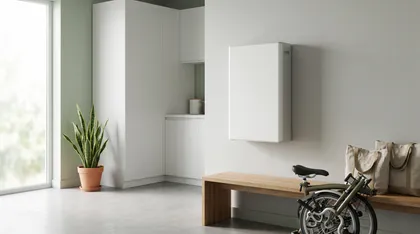
To consume as much of your own production as possible in the evening, we choose a hybrid inverter and a battery sized to your consumption profile.
On a clear roof, the string inverter remains the most economical. As soon as there’s shade or several slopes, look at micro-inverters or optimisers.
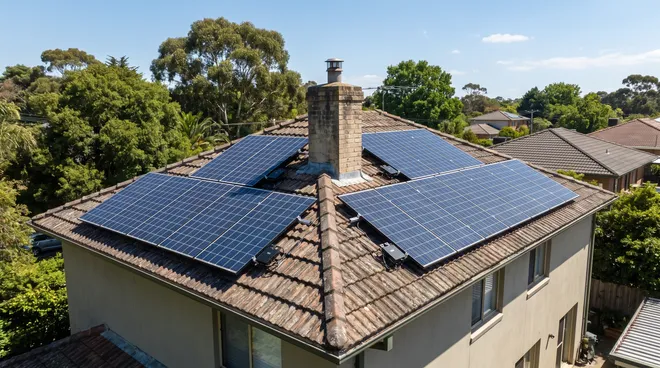
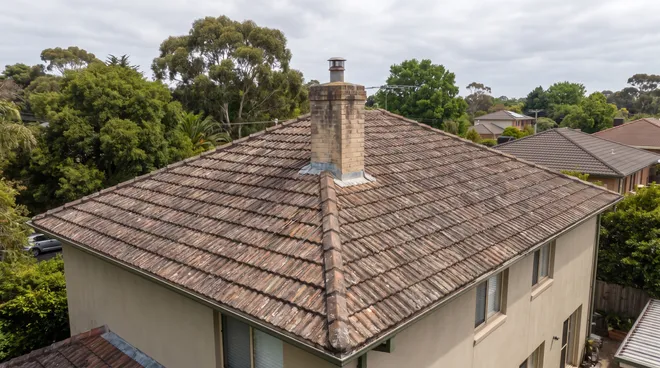
The client’s roof was broken up by a chimney and a neighbouring tree: a string inverter would have dragged down all production during shaded hours. We fitted micro-inverters under each panel and per-module monitoring. The result: every panel produces at its maximum, regardless of the cast shadows.
5.0/5 · 1verified reviews
« Devis clair, sans surprise, primes comprises. Un seul interlocuteur du début à la fin. Je recommande sans hésiter pour le photovoltaïque. »
It’s the most decisive choice in solar equipment. Compare the three inverter topologies point by point, then open the solution suited to your roof.
| Critère | String inverterVous êtes ici | Micro-invertersVoir la gamme → | OptimisersVoir la gamme → |
|---|---|---|---|
| Indicative price | The most economical | €€€ — per panel | €€ — mid-range |
| Shading management | Whole chain penalised | Panel by panel | Panel by panel |
| Multiple roof slopes | Limited | Ideal | Very good |
| Per-panel tracking | Whole installation | Yes, per module | Yes, per module |
| Safety (DC voltage) | High voltage on the roof | Low voltage per panel | Shutdown at the optimiser |
| Maintenance | A single central point | Components on the roof | Central inverter + boxes |
| Ideal for | Clear roof, fixed budget | Shading, multiple slopes | Shading/budget compromise |
The heart of the installation: role, efficiency and sizing of the central string inverter. The most economical choice on a clear roof.
Understand the inverter →An inverter under each panel for independent production. The reference for shaded or multi-slope roofs.
See micro-inverters →The compromise between string and micro: one optimiser per panel, one central inverter. Good tracking, added safety, controlled budget.
Discover optimisers →Store the day’s surplus for the evening and boost self-consumption. To be sized to your consumption profile.
See storage →Monocrystalline, bifacial, full-black: understand panel types and their efficiency to equip your roof well.
Choose your panels →An overview of our photovoltaic installations in Belgium: panels, equipment, installation, subsidies and profitability on one page.
Back to the solar guide →The budget depends on the power installed, the type of inverter and whether a battery is added. Here are benchmarks per component, equipment installed.
Get my free detailed estimate →* Indicative ranges for installed equipment, excluding specific configuration. Detailed estimate during your free quote.
It depends on your roof. On a clear slope with no shade, a central string inverter is the most economical and simplest to maintain. As soon as there’s shade (chimney, tree) or several slopes, we switch to micro-inverters or optimisers so each panel produces independently.
A string inverter converts the current of a whole chain of panels at a single point: if one panel is shaded, the whole chain drops. Micro-inverters place a small inverter under each panel, which then produces on its own. Micros cost more but handle shading better and allow panel-by-panel tracking.
We size the power (in kWp) on your annual consumption and the available roof surface. A Belgian household often installs between 3 and 6 kWp, that is around ten to fifteen panels of 400 to 450 Wp. The goal is to cover your consumption as well as possible without oversizing needlessly.
Not necessarily. A battery boosts self-consumption by keeping the day’s surplus for the evening, but it’s an extra investment to recoup. It pays off above all if you consume a lot in the evening. We assess together whether it’s profitable for your consumption profile.
We favour so-called Tier 1 panels (solid, financially stable manufacturers) and inverters from brands recognised for their efficiency and after-sales support. A brand’s reliability is measured as much by product quality as by its ability to honour the warranty in ten or twenty years.
Generally count on a 25-year product warranty on the panels (with a production guarantee), 10 to 12 years on the inverter (often extendable), and up to 25 years on micro-inverters. The mounting structure is guaranteed for the lifetime of the installation. We provide the warranty details with the quote.
Free roof assessment, equipment and inverter sized, subsidies calculated, a single point of contact. Describe your project in under a minute.